Featured
Table of Contents
Right here are 3 common misconceptions regarding regreting that we could believe when we consider our very own or someone else's method of grieving: Among one of the most common misunderstandings concerning grieving is that everybody goes via it in the very same method. As we have actually developed, regreting is a distinct journey that is various for every person.
"Moreover, there's no particular order for the stages of pain. Our first emotional response to loss could be rage and depression.
And our emotions can come in waves of intensity. At first, our emotions can be frustrating. In time, the intensity is likely to reduce although there might be minutes when it's equally as fresh and overwhelming as it was at initially. Numerous individuals obtain annoyed with themselves due to the fact that they think they're regreting also long.
Pain is a complicated process that differs from one person to another. The 5 phases of pain denial, temper, negotiating, depression, and approval are a useful framework for thinking of grief, yet it does not indicate we'll go with every phase. We can experience these aspects of despair at different times, and they do not happen in one particular order.
Transforming Success-Related Stress to Sustainable Success
This site uses cookies to help personalise content, tailor your experience and to keep you visited if you sign up. By continuing to use this website, you are consenting to our use cookies.
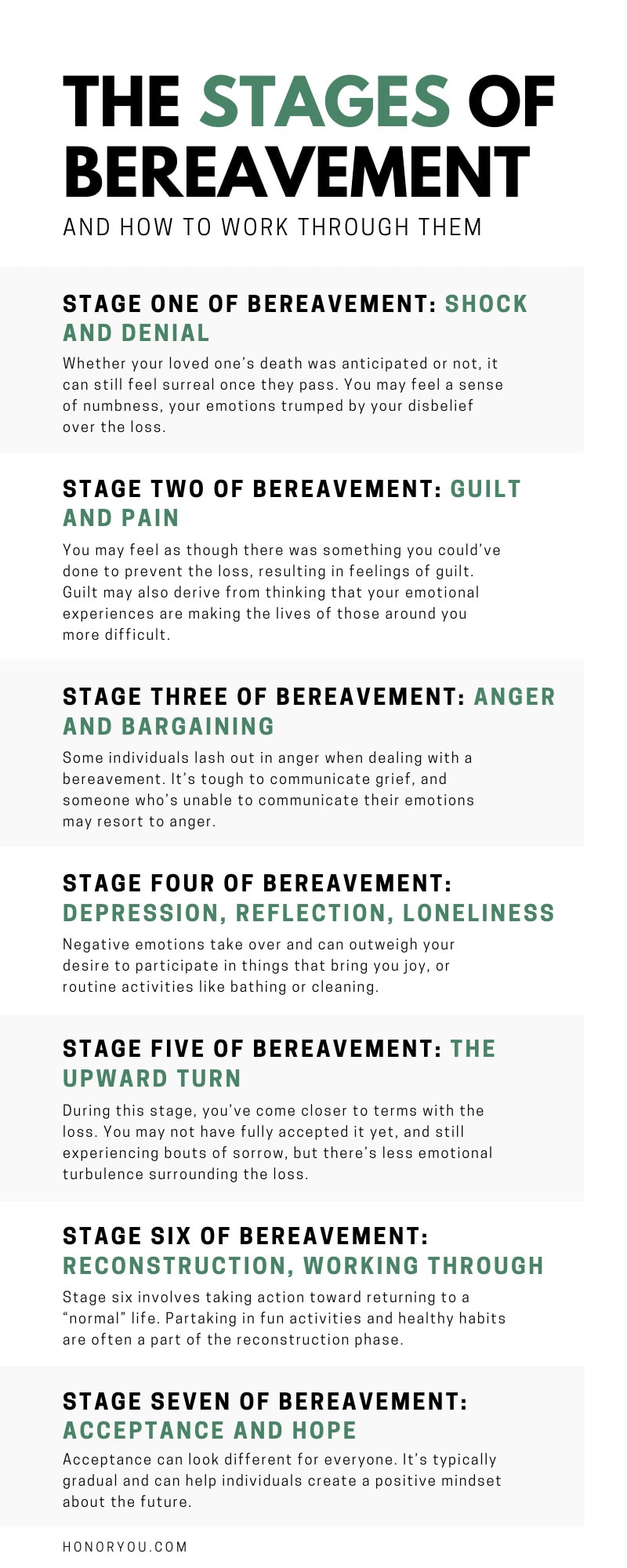
The seven phases of grief are a design template for exactly how an individual may grieve. This cyclical structure is implied to aid you much better comprehend your sensations and is not intended to recommend exactly how you need to regret, what you should be sensation, or in which order. Everyone grieves in different ways. Each phase may reoccur or overlap the others.
Find out a lot more concerning the seven phases of despair. Pain can be a difficult and unpleasant process.
Understanding Elite Performance while managing Anxiety
That's because nobody can ever be absolutely prepared for a loss so substantial. As a result, when you are in shock after a loss, you might act usually or as if nothing has actually occurred. Most of the time, this is because your body has actually not processed the loss. You might seem like the scenario hasn't "sunk in" just yet.
These feelings and experiences are self-protective devices that function as a barrier to ensure that you are not overwhelmed all at once. Because the death of a liked one can have such a significant influence on you, you may experience rejection. During this stage of pain, it is merely also hard for your mind to understand that your family participant, good friend, or various other enjoyed one is gone.
How IFS Heals the Trauma Response in Sacramento
As you gradually begin to approve the loss and what it indicates for your life currently, your rejection will start to diminish. You might have a wider series of sensations and emotions when denial uses off. Up until then, you might have durations when you really feel distressed, which can be triggered by suggestions of your liked one.
In some situations, it's a typical sensation to desire to avoid others to make sure that you do not have to acknowledge or discuss your loss. Sometimes, you feel absent-minded, obtain conveniently distracted, or postpone throughout this stage of pain. You might also attempt to remain busy constantly or shut down mentally.
Actionable Steps for Beginning Your Therapeutic Process with Trauma Therapy in Sacramento
In particular situations, you could also really feel mad with the health care carriers, your friends, member of the family, God, or any various other soul(s) you count on. Yet under all that anger is your discomfort. While it may be unpleasant to deal with, it provides a lot more structure to your grieving than remaining numb.
Throughout this phase, individuals typically really feel defenseless and hopeless and ask themselves "what happens if" questions. You might feel guilty for not doing more to maintain the loss from happening or for not investing more time with the person you lost. Throughout the negotiating phase, it's typical to question or claim, "I must have done this ..." or "If I had actually just done that ..." While these kinds of questions are regular, they are not where you want your thought process to continue to be.
It might also be practical to do something certain, like create a letter to your liked one or speak to them out loud. When you come to terms with the fact of the loss, a much deeper level of despair may begin to slip in.
You can also go to for a checklist of added resources or call the number listed below to reach Chemical abuse and Mental Health And Wellness Solutions Management (SAMHSA) hotline. The testing phase of the mourning procedure commonly entails experimenting with different points that help you move forward. In this phase, you are beginning to build your brand-new typical as well as refining your sensations and emotions produced by the loss.
Grief and High Achievement in Sacramento
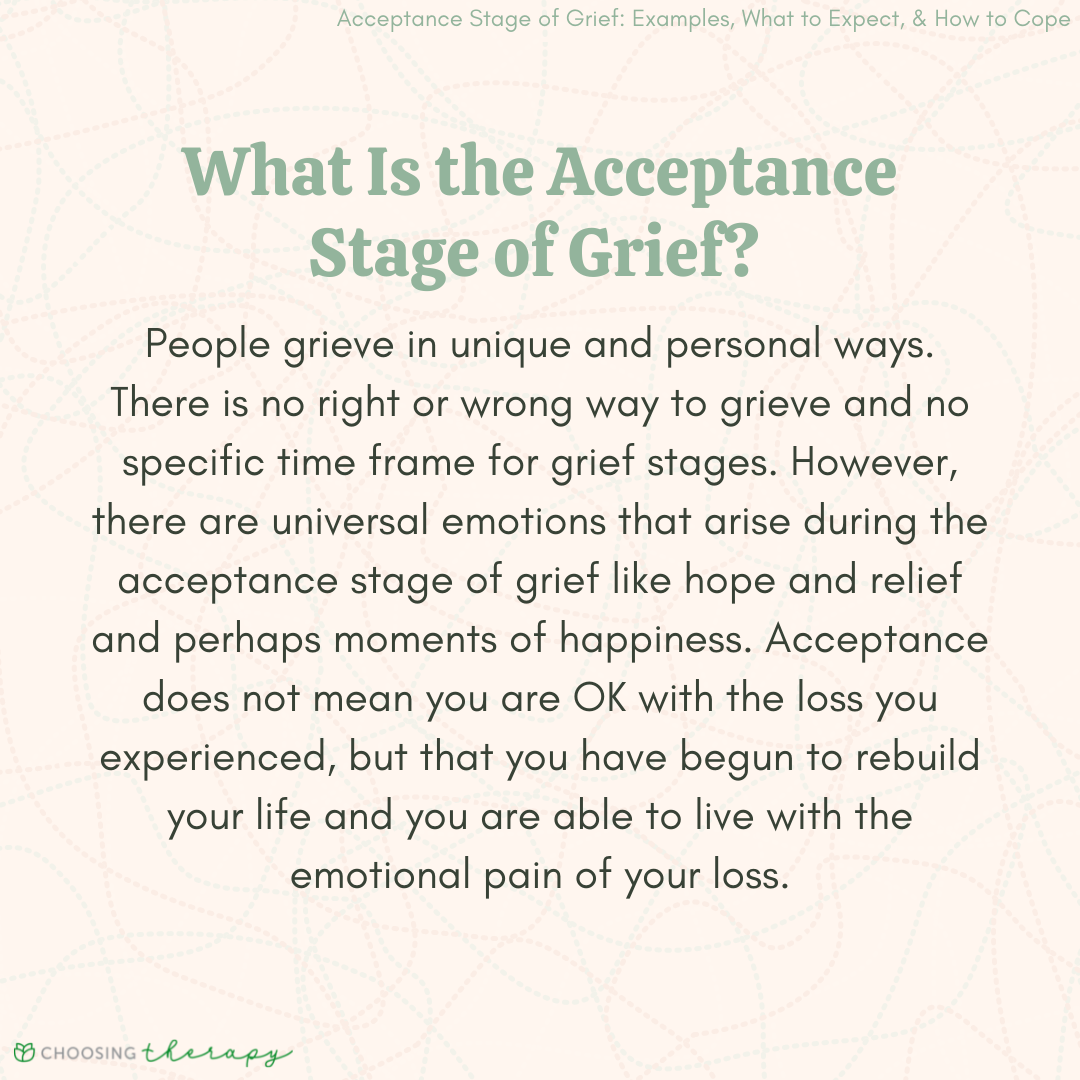
Reaching the acceptance phase does not imply you are okay with what took place. Instead, this part of the grieving process is much more about accepting what your life looks like now. You will certainly still require to pay attention to your feelings and adjust, but you will certainly start to really feel more wholeeven if it looks different than it did previously.

Latest Posts
Understanding Inner Critic Through Therapy
Distinct Demands of Healthcare & Medical Professionals Specialists Pursuing Therapy
Processing of Grieving